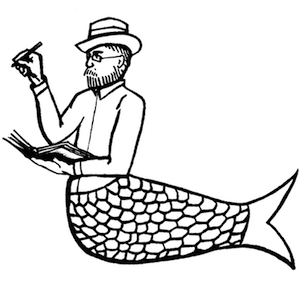

In 2014 the BBC asked whether we’d reached peak beard1. Not really. Not by a long way, it seems.
Some despair; my mother, for example. What’s to become of us with all these beards?
Nil desperandum, ma. We’ve been here before. This was written about the ‘arty-and-crafty lot’ and the ‘back-to-the-landers’ of the early 1920s:
The men usually affected beards, until the sudden craze for ‘Beaver’ made them return to the razor. Two or more people walking down a street would play a twenty-point game of beaver-counting. The first to cry ‘Beaver’ at the sight of a beard won a point, but white beards (known as ‘polar beavers’) and other distinguished sorts had higher values. When the growing scarcity of beavers ended the game in 1924 King George, distinguished foreigners, and a few Chelsea pensioners were for some years almost the only bearded men left in Great Britain.
(Robert Graves and Alan Hodge 1940 The Long Week-End2)
Just cry beaver and let slip the barbers of yore.
Disclosure: I have a beard, you can see it in Novembeerd, my piece on beards and beer.
Paul Fishman (Windermere, July 2017)
1. Have we now passed peak ‘peak’?↩
2. The beaver game also features notably in Aldous Huxley’s 1923 novel, Antic Hay.↩

 Paul Fishman