
This is a follow-up to Freelancing: the first ten years.
Working (largely) alone
A freelance is like a reasonably intelligent dog that requires food, exercise, mental stimulation and some sense of having a part to play in the game of life. How much of each of those things, and what form they come in, is a matter of individual temperament. Some can be left alone in the house all day; others start chewing the table legs and peeing on the floor after an hour.
Even if, like me, you don’t mind a large dose of solitude, working at home alone1 has costs and hazards. One big thing is a reduction in low-level sociability.
You can draw an analogy with standing versus sedentary desks. They talk about the numerous minute adjustments of balance required when standing versus sitting; something similar applies socially/psychologically/generally mentally when working in an office. There’s a multitude of interactions. It’s stimulation, exercise, whatnot.
I especially miss the company of those I liked in the office but didn’t usually see outside of work unless for Friday night drinks or company dos. Valued acquaintances (or semi-detached friends) are a loss that can’t exactly be made up.
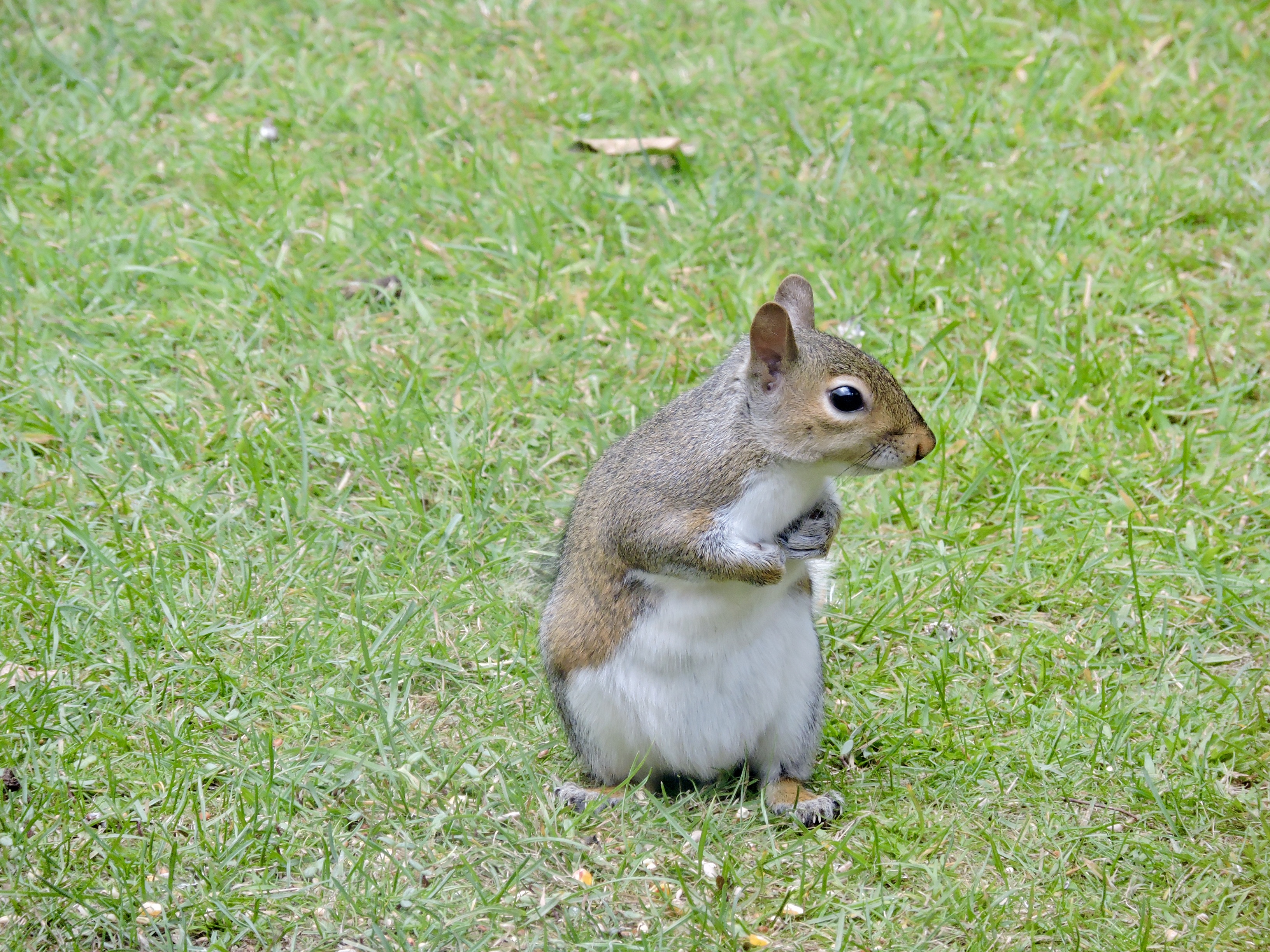

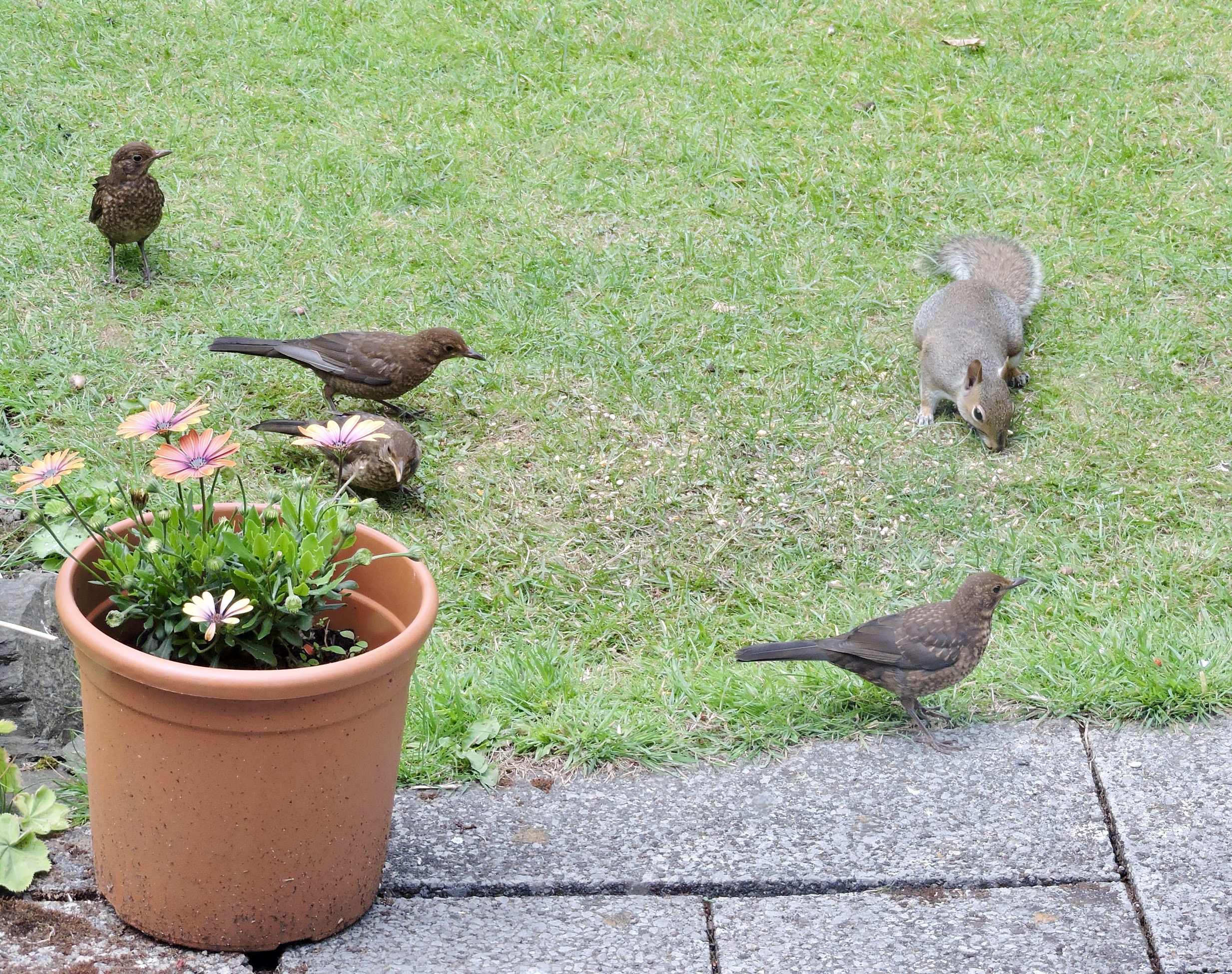
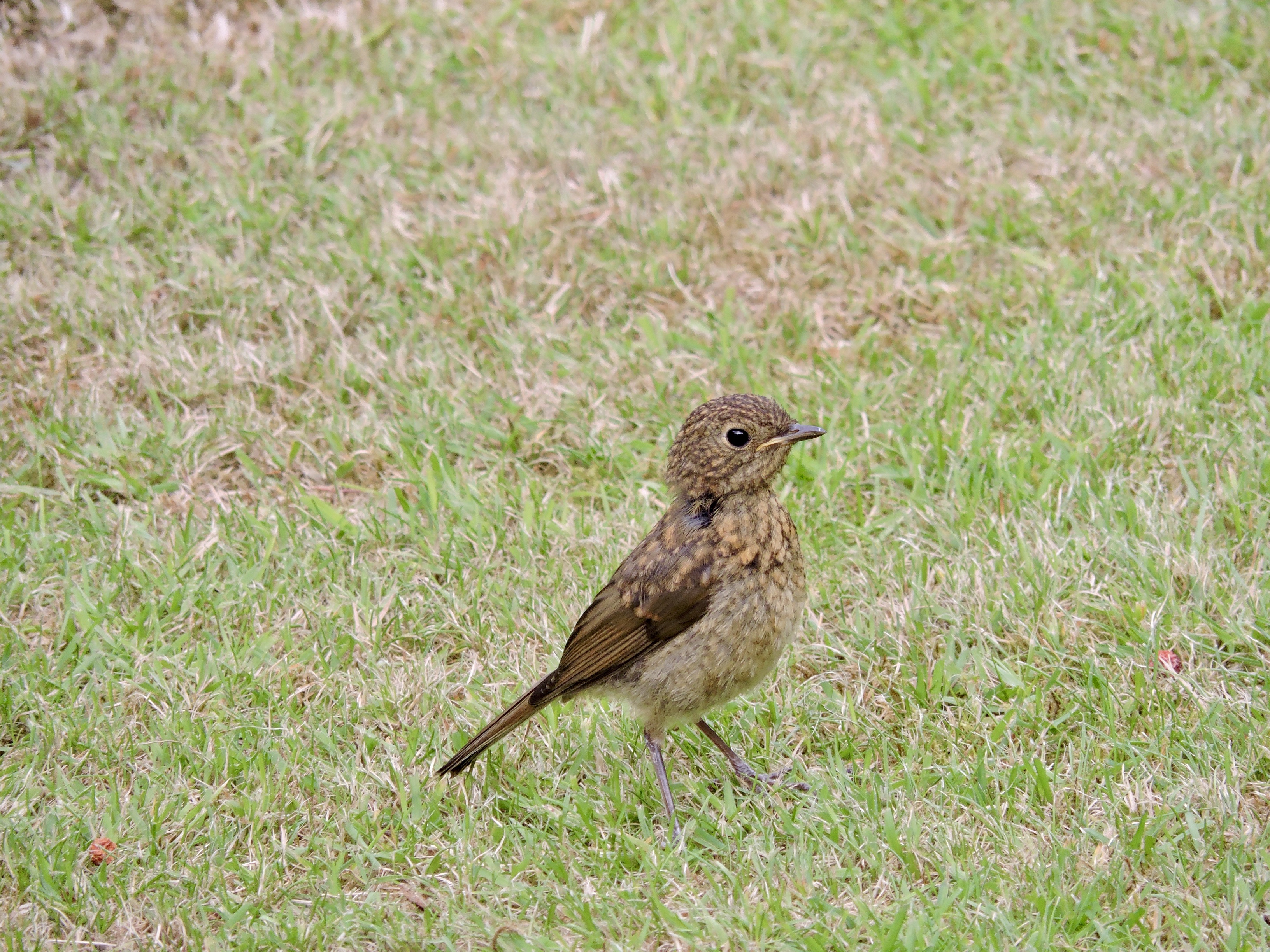
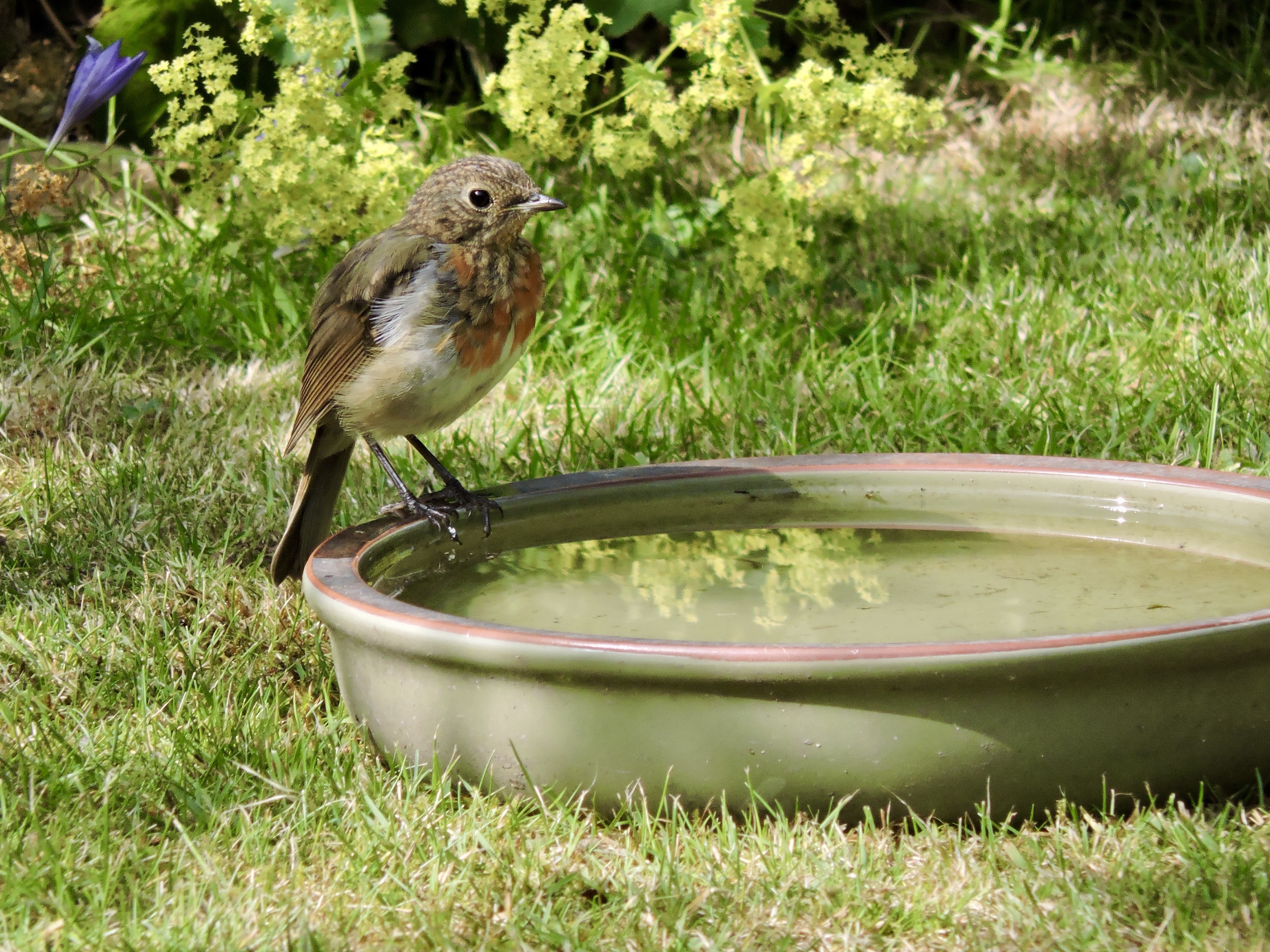
One spring/summer as a freelance I worked in or by the garden, feeding and acting as a sort of hobbling sentinel (I was on crutches) for a family of blackbirds and a fledgling robin, watching the young grow up and in the robin’s case get its colour. I always had a powerful water pistol to hand and fought months-long duels with a squirrel that wanted to eat the food we put out and the neighbour’s despicably confident cat, which wanted to eat the birds. Eventually I established a moral ascendancy over the cat after hitting it on the head with a lucky throw of a piece of toast, but it was a score draw with the squirrel — it took the dousings and kept coming.
This was all very wholesome and good but as soon as my legs worked again it was over. There’s a lot to be said for the simple act of getting out of the house.
You can get a feeling of staleness and seediness from being too sedentary, too much indoors; too silent. But then this state is just the entry-level drug for accidie. Accidie is a mix of sloth, melancholy, restlessness, procrastination and spiritual torpor. No doubt there are more contemporary medical terms in use but this was a phenomenon that was only too familiar to monks, scholars, hermits and the like in the Middle Ages. (You can read a bit more about it in my words piece here.)
The key to avoiding the hazards, softening the disadvantages and enjoying the benefits of working independently at home is to reset your thinking.
Taking up another analogy, the weakest vegetarian food is generally imitation meat. I’m not a vegetarian but I can enjoy a real vegetarian meal. Don’t make your routine a weak imitation of office working. And if you’re cutting your normal protein sources (discipline?) from your diet you’ll still need protein. The trick is to discover and work in natural protein from your new habitat/diet, not mock up the old ones.
Here are some things I think about and in particular have said to friends and colleagues who’ve asked for advice on homeworking. One thing I don’t talk about is e.g. hiring office space or paying to be part of a self-employed collective (usually creative) and getting your space that way. Some find it works well for them. Others work on-site for clients but I rarely do.
First thing: be active. It’s good for morale but also everything else, including work, even though you set it aside for a while.
If I’m stuck on a problem or struggling with a passage of work I’ll go out for a walk to clear my head and freshen my limbs; it almost always works. It’s also good to use your mind and body in different ways and some problems (writing and editing and otherwise) are best not looked at directly; they seem to resolve when you’re doing something else, so long as that something else is operating at a different plane. Stack some logs; hammer some nails; make beef stock; feed the birds. Churchill used to lay bricks. There’s no reason you can’t take a shower or bath whenever you want, hot or cold, to wake up or think — it’s good for reflection.
Dr Sherylle Calder, a researcher and sports vision coach, argues that excessive screen time not only affects obvious things like hand–eye coordination, but also broader cognitive abilities, and not just those related to physical activity. “We develop skills by climbing trees, walking on walls and falling off and learning all those visual motor skills which people aren’t doing any more.”
Another good habit is to read every day, especially fiction or imaginative nonfiction. It takes you out of yourself and can force a complete mental break. Similarly, if I’m struggling to withdraw from an intense piece of work and need to, e.g. for domestic or social reasons, mixing and drinking a powerful cocktail at the end of the day is a good and satisfying full stop. The putting together of the drink is almost as important a part of the ritual as the drinking, which in any case incapacitates you.
Obviously you rarely collaborate in the same way with colleagues, establish the same understanding, have chance meetings, get to know other departments, etc. I have a good, conversational relationship with many clients — strictly transactional relationships are unsatisfying — but unless you’re properly part of a team, e.g. putting a special issue of a magazine together or working on a special project for an individual, you often won’t have the same camaraderie or investment. There’s no wholly satisfactory way of compensating for this but everything’s a tradeoff in life and you have the benefits of freedom, discretion, etc, which are large — if they suit you.
If you like this way of living, you’ll find it satisfying though imperfect, and if you don’t, you might hate it. And if you do choose freelance life, you’d best heed Samuel Johnson (and Robert Burton):
The great direction which Burton2 has left to Men disordered like you3, is this: Be not solitary; be not idle; which I would thus modify: “If you are idle, be not solitary; if you are solitary, be not idle.”
You’re probably going to be solitary, so you’d best not be idle.
Note added: I launched a Substack in May 2024 at fishmandeville.substack.com. You can subscribe for free now, if you want.
Paul Fishman (Skelsmergh, April 2024)
- When I started writing this just before the first pandemic lockdown — it felt unimportant as events unfolded and I set it aside — my wife was going out to work and we didn’t have any children. I now often work in a not-very-large house with three other people in it, one of whom is two years old and another of whom is six months old. This presents a whole other set of
problemsopportunities. However, I’ll stick with what I said originally as I haven’t worked out how to deal with the new circumstances well enough to be offering anyone advice. ↩︎ - Referring to Robert Burton and his majestic Anatomy of Melancholy. You can read quite a nice and relevant essay on Burton and being active here. ↩︎
- He was writing to his friend, biographer and protégé, James Boswell, who suffered from melancholy, as did Johnson. ↩︎

 Paul Fishman